Learning
Learning the CDE Way
At Casa D’éducation, learning is a joyful journey that blends academic rigor with emotional, social, and creative development. Our holistic approach focuses on nurturing the whole child, equipping them with the tools they need to thrive as compassionate and capable global citizens.
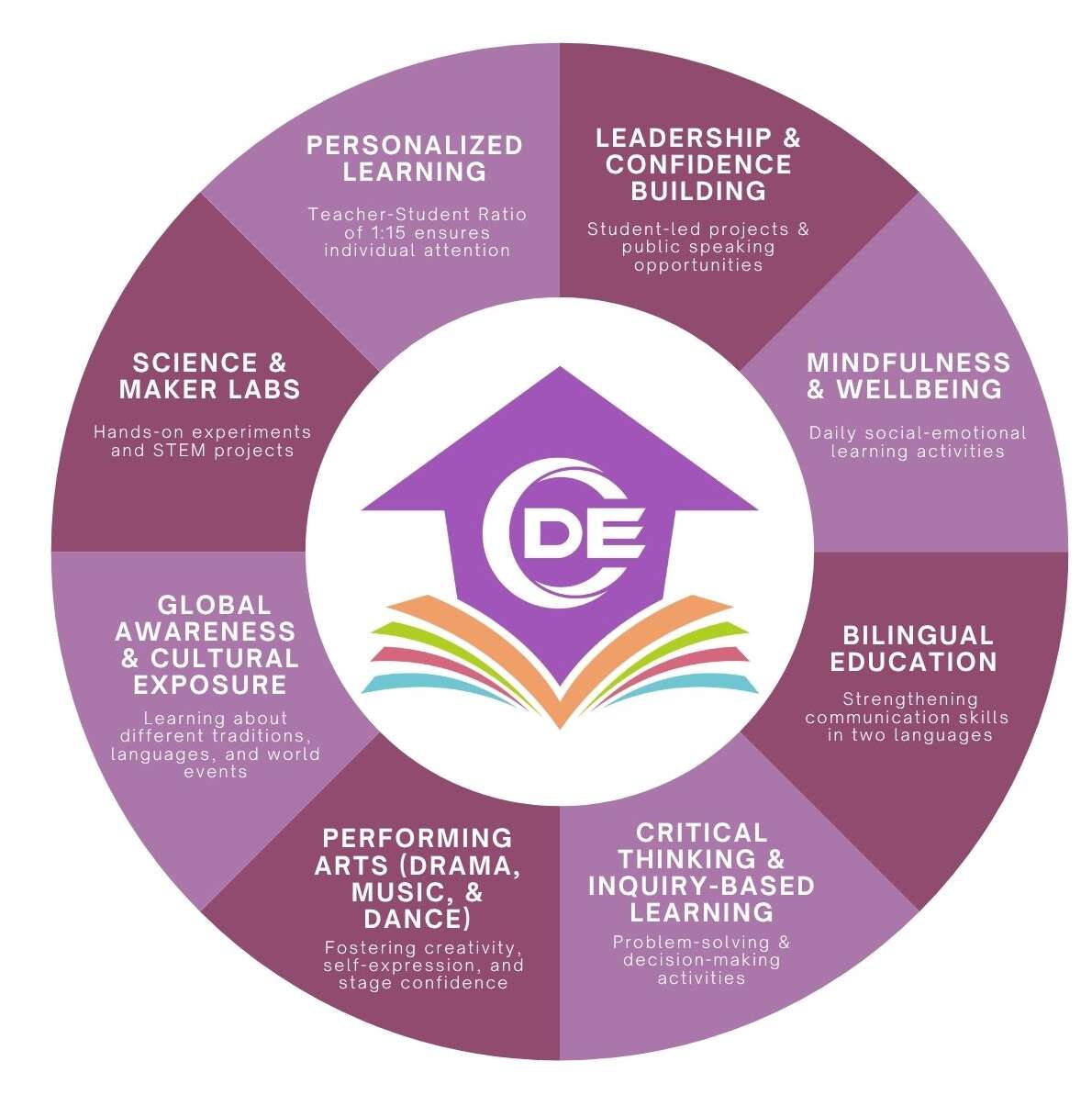
The “CDE Way” is built around eight core pillars, each designed to foster the development of key skills, mindsets, and values in every learner:
CDE Key Points
Personalized Learning
With a teacher-student ratio of 1:15, we ensure that every child receives the attention and support they need to flourish at their own pace.
Leadership & Confidence Building
Through student-led projects and public speaking opportunities, children develop the confidence to express their ideas and take initiative.
Critical Thinking & Inquiry-Based Learning
We encourage curiosity and problem-solving through hands-on, inquiry-driven activities that make learning deeply meaningful.
Bilingual Education
Our bilingual environment strengthens communication skills and promotes cultural appreciation in two languages.
Mindfulness & Wellbeing
Daily social-emotional learning practices help students build emotional resilience, focus, and empathy.
Performing Arts (Drama, Music, & Dance)
Creative expression is celebrated through stage performances that foster self-confidence, imagination, and teamwork.
Global Awareness & Cultural Exposure
Students explore global traditions, current events, and diverse perspectives to become informed and open-minded world citizens.
Science & Maker Labs
Our STEM labs provide opportunities for exploration, experimentation, and discovery through real-world projects.
These pillars reflect our belief that education must prepare students not only for academic success but also for life.
Montessori Curriculum
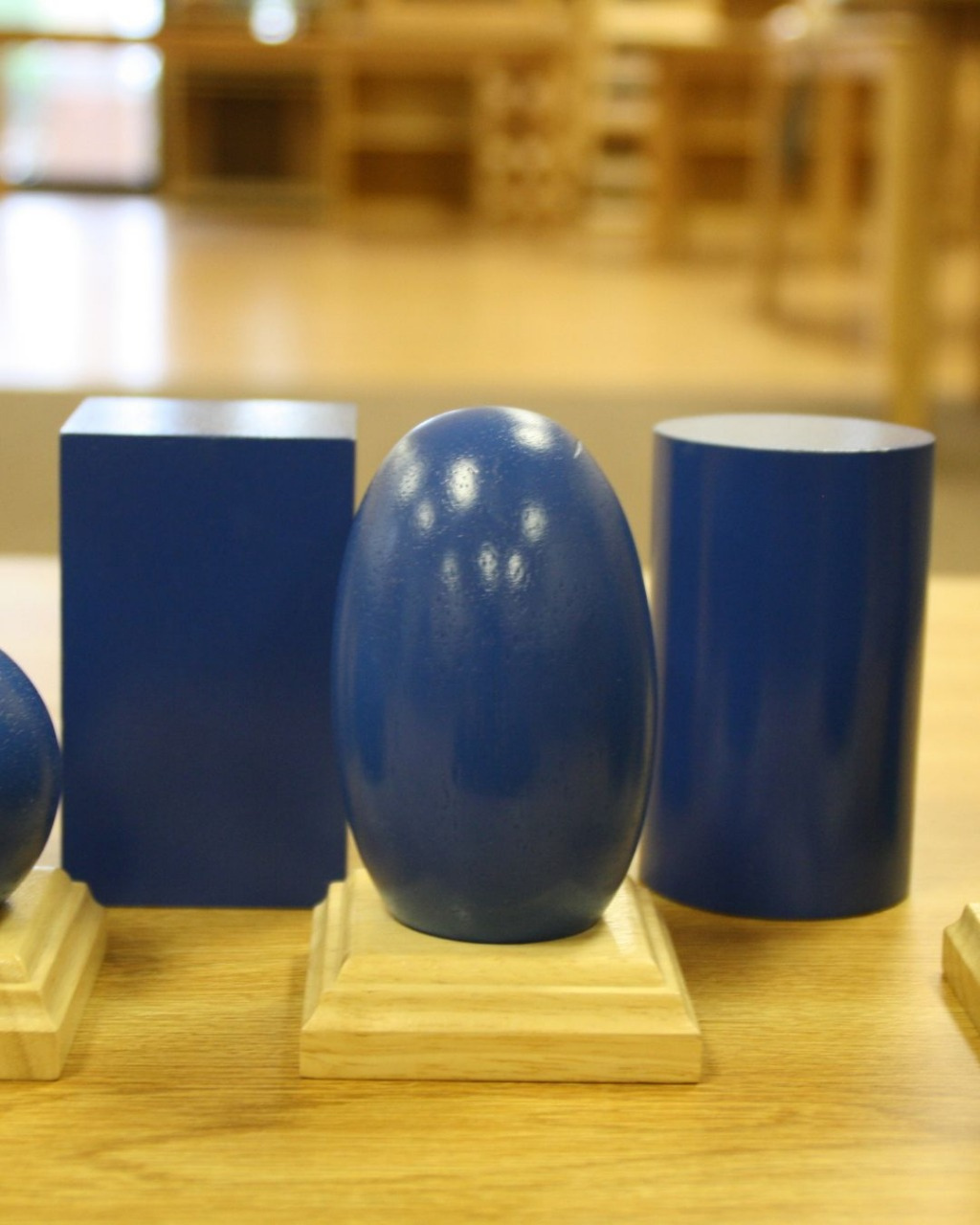
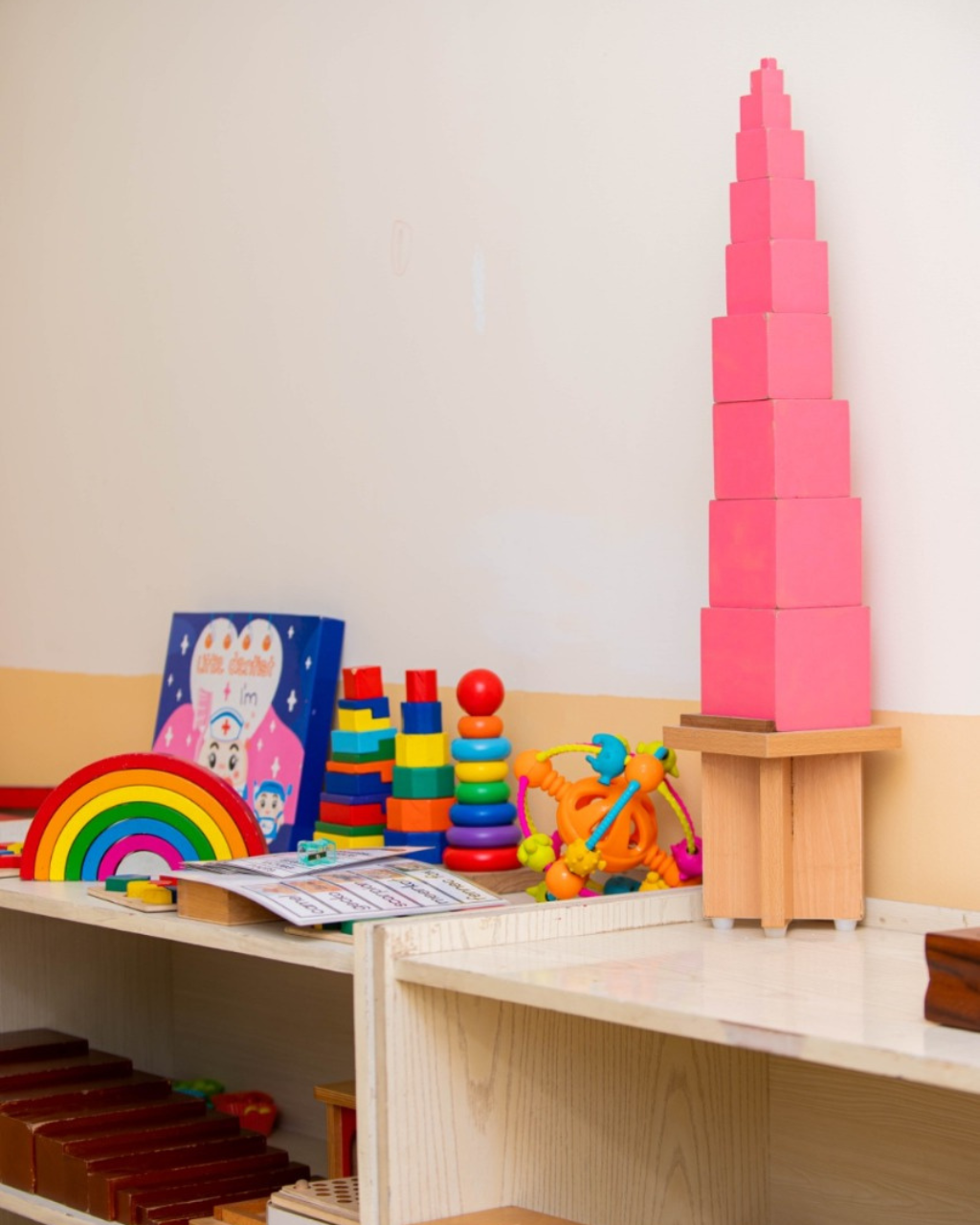
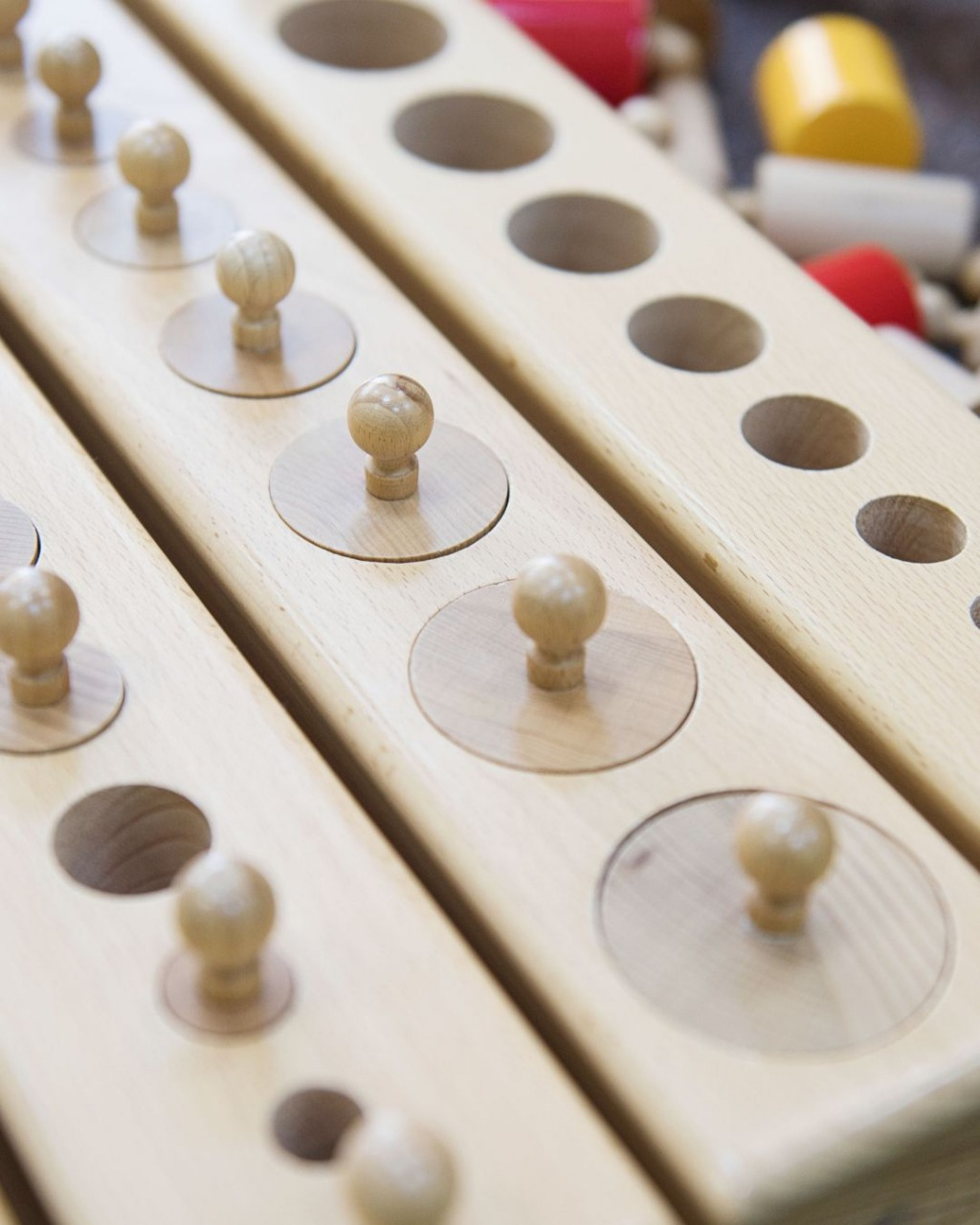
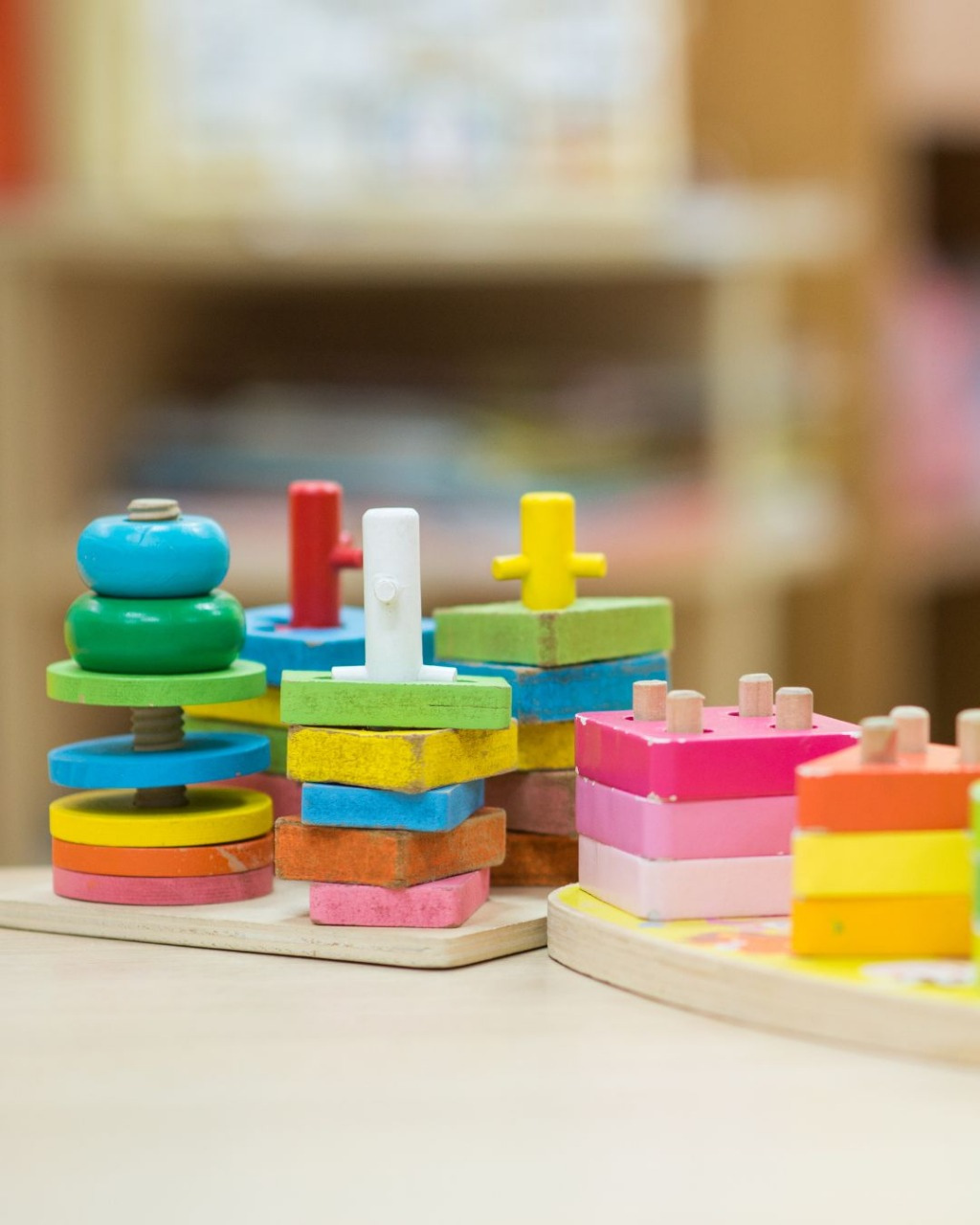
Our Montessori section offers a warm, engaging, and carefully prepared environment for children in their early years. Rooted in the globally recognized Montessori philosophy, our curriculum is designed to develop independence, concentration, and a love for learning through:
- Sensorial exploration
- Practical life activities
- Language and literacy development
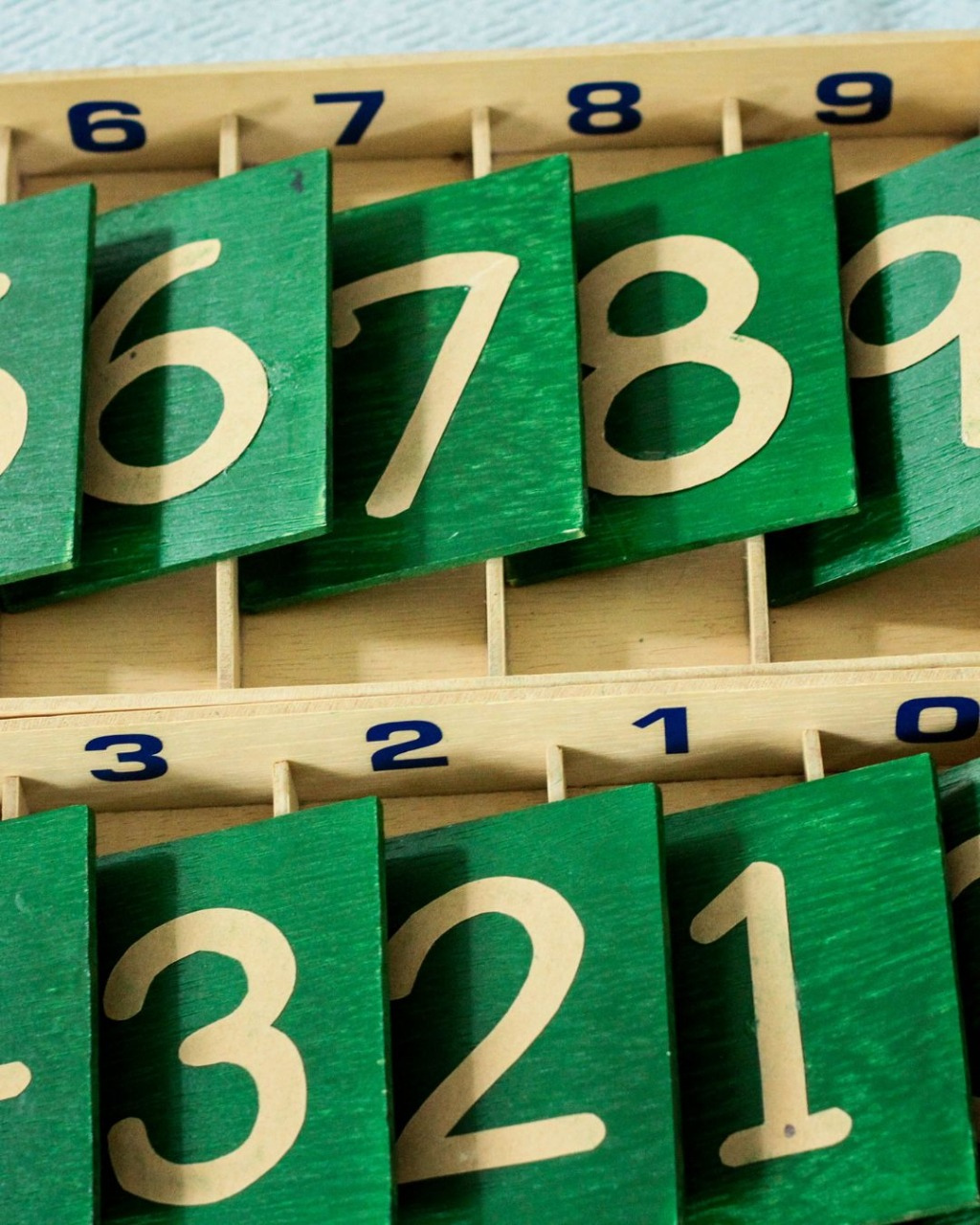
- Early numeracy and mathematical thinking
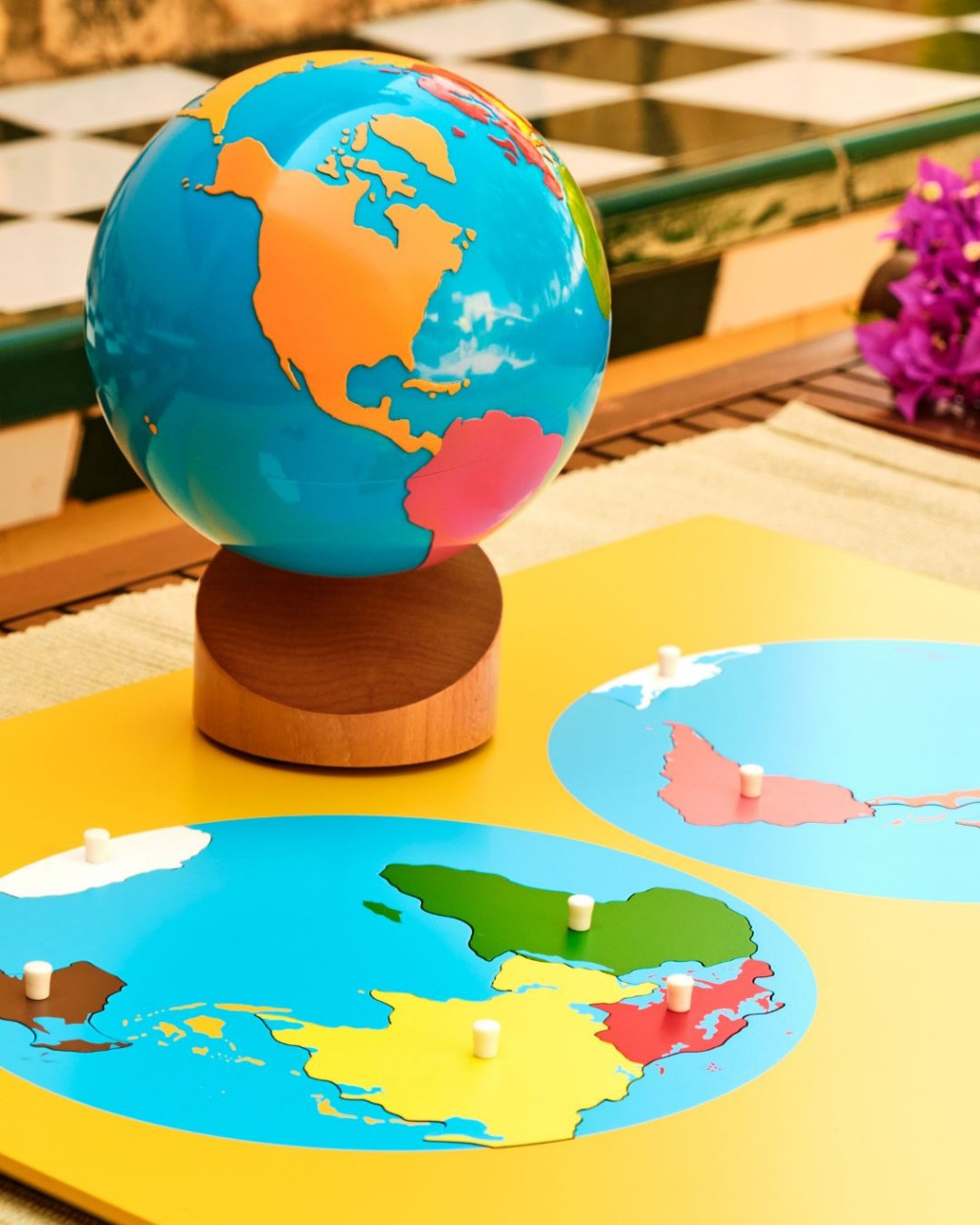
- Nature and cultural studies
- Grace, courtesy, and emotional regulation
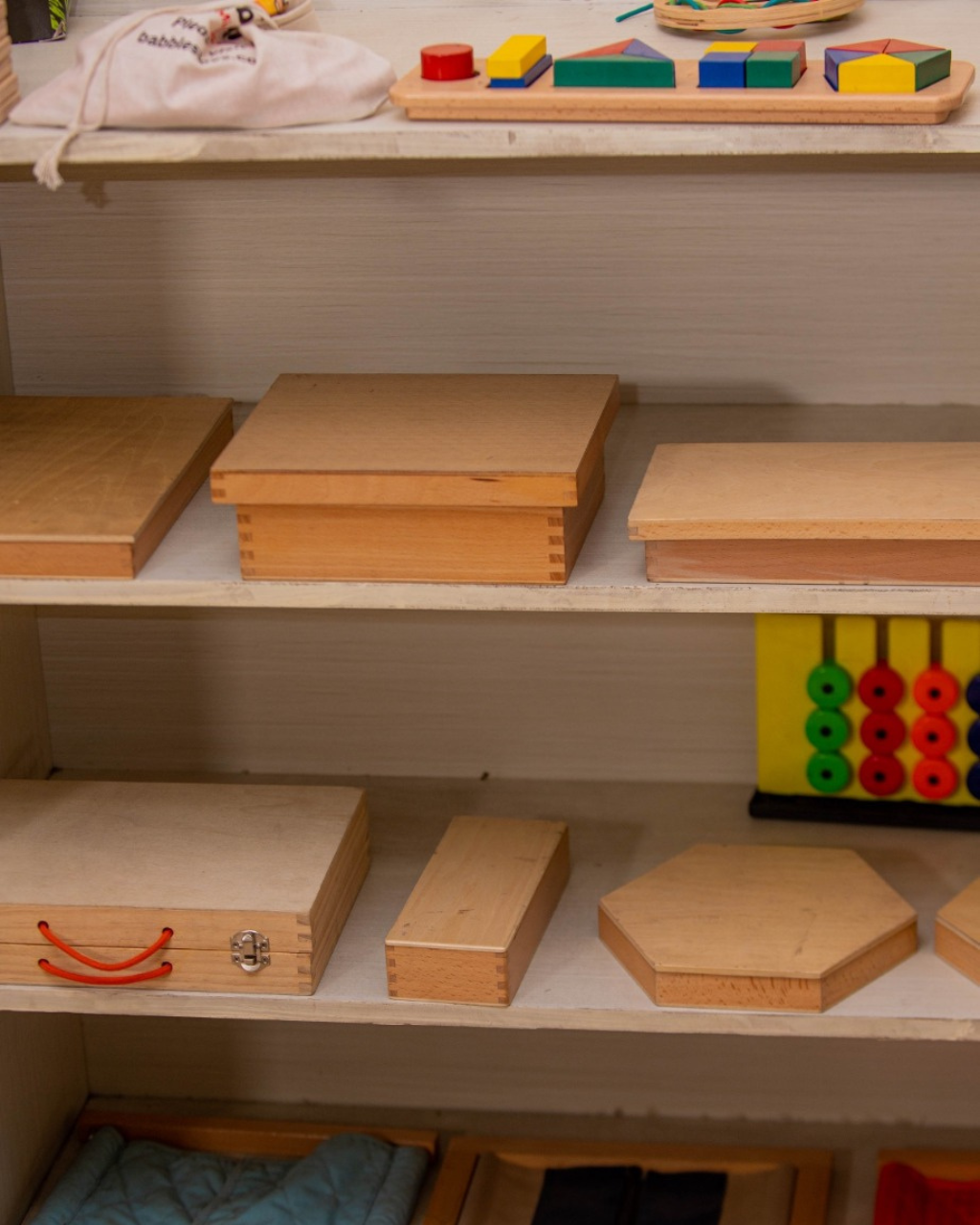
Each child works at their own pace with thoughtfully curated Montessori materials under the guidance of trained educators who respect each learner’s individual rhythm and interests. This foundation lays the groundwork for success in our Primary Years Programme and beyond.


IB Learning at Casa D’éducation
As a candidate school for both the IB Primary Years Programme (PYP) and Middle Years Programme (MYP), Casa D’éducation embraces an educational approach that develops knowledgeable, reflective, internationally minded learners. Across both programmes, students are encouraged to take an active role in their learning, develop essential skills, consider different perspectives, and connect their learning to the world around them.
At Casa D’éducation, we believe that knowing how to learn is just as important as what is learned. Across both the IB Primary Years Programme (PYP) and Middle Years Programme (MYP), Approaches to Learning (ATL) skills help students become increasingly independent, reflective, and confident learners—both in and beyond the classroom.
The five ATL skill categories are:
• Thinking Skills – Encouraging creativity, analysis, evaluation, and problem-solving.
• Communication Skills – Developing effective listening, speaking, reading, writing, and presenting.
• Research Skills – Building the ability to formulate questions, gather and evaluate information, and synthesize findings.
• Self-Management Skills – Cultivating time management, organization, resilience, and emotional regulation.
• Social Skills – Fostering collaboration, empathy, respectful interaction, and leadership.
Teachers at Casa D’éducation intentionally create both implicit and explicit opportunities to develop these skills across the curriculum. Whether students are collaborating on a project, conducting research, reflecting on their learning, communicating their ideas, or managing their responsibilities, ATL skills are woven into everyday learning.
At the heart of the IB is the learner profile—ten attributes that develop internationally minded individuals who are prepared to contribute to a better, more peaceful world:
• Inquirers: We nurture curiosity by asking questions and exploring ideas, developing a love for learning that lasts a lifetime.
• Knowledgeable: We build understanding across subjects and engage deeply with ideas that matter locally and globally.
• Thinkers:We use critical and creative thinking to solve problems and make ethical, thoughtful decisions.
• Communicators:We express ourselves confidently in many ways and actively listen to others with empathy and openness.
• Principled:We act with honesty and integrity, take responsibility for our actions, and stand up for fairness and justice.
• Open-minded: We appreciate our own backgrounds and are open to diverse cultures, perspectives, and ways of thinking.
• Caring: We show kindness and compassion and take action to make a positive difference in the lives of others.
• Risk-takers:We face new challenges with courage, explore unfamiliar ideas, and adapt to change with resilience.
• Balanced: We recognize the need to balance our intellectual, physical, and emotional wellbeing to live healthy, fulfilling lives.
• Reflective: We think deeply about our learning and experiences to understand our strengths and areas for growth.
We actively cultivate these attributes through daily routines, classroom interactions, community engagement, and reflection, helping students grow not just as learners, but as compassionate, ethical individuals.
Primary Years Programme
As a candidate school for the IB Primary Years Programme (PYP), our Grades 1–5 curriculum is centered around inquiry, conceptual understanding, and transdisciplinary learning.
The PYP encourages students to become active, caring, lifelong learners who demonstrate respect for themselves, others, and the world around them. Our classrooms are places of dynamic engagement, where students explore real-world questions, connect learning across subjects, and are empowered to take meaningful action within and beyond the school community.
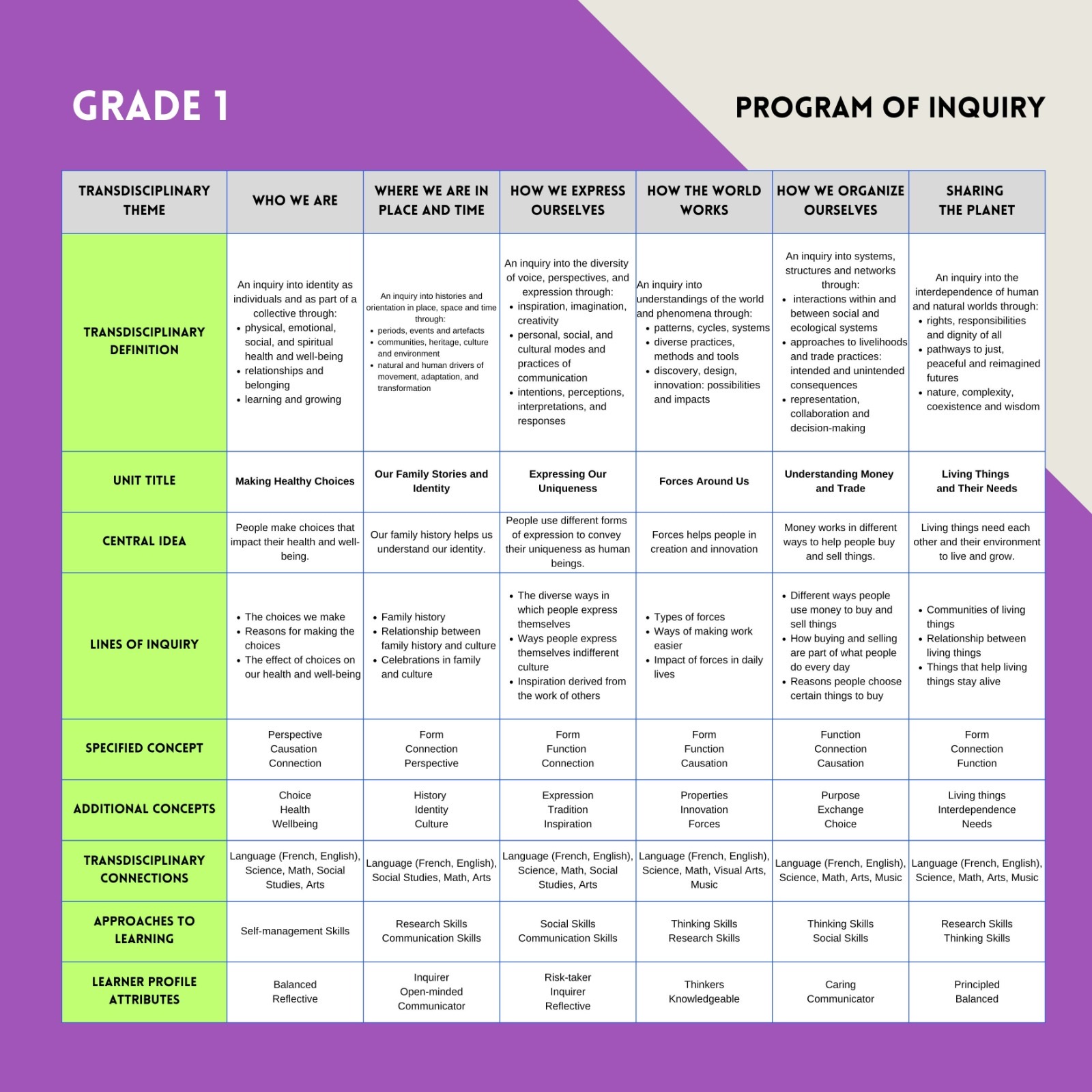
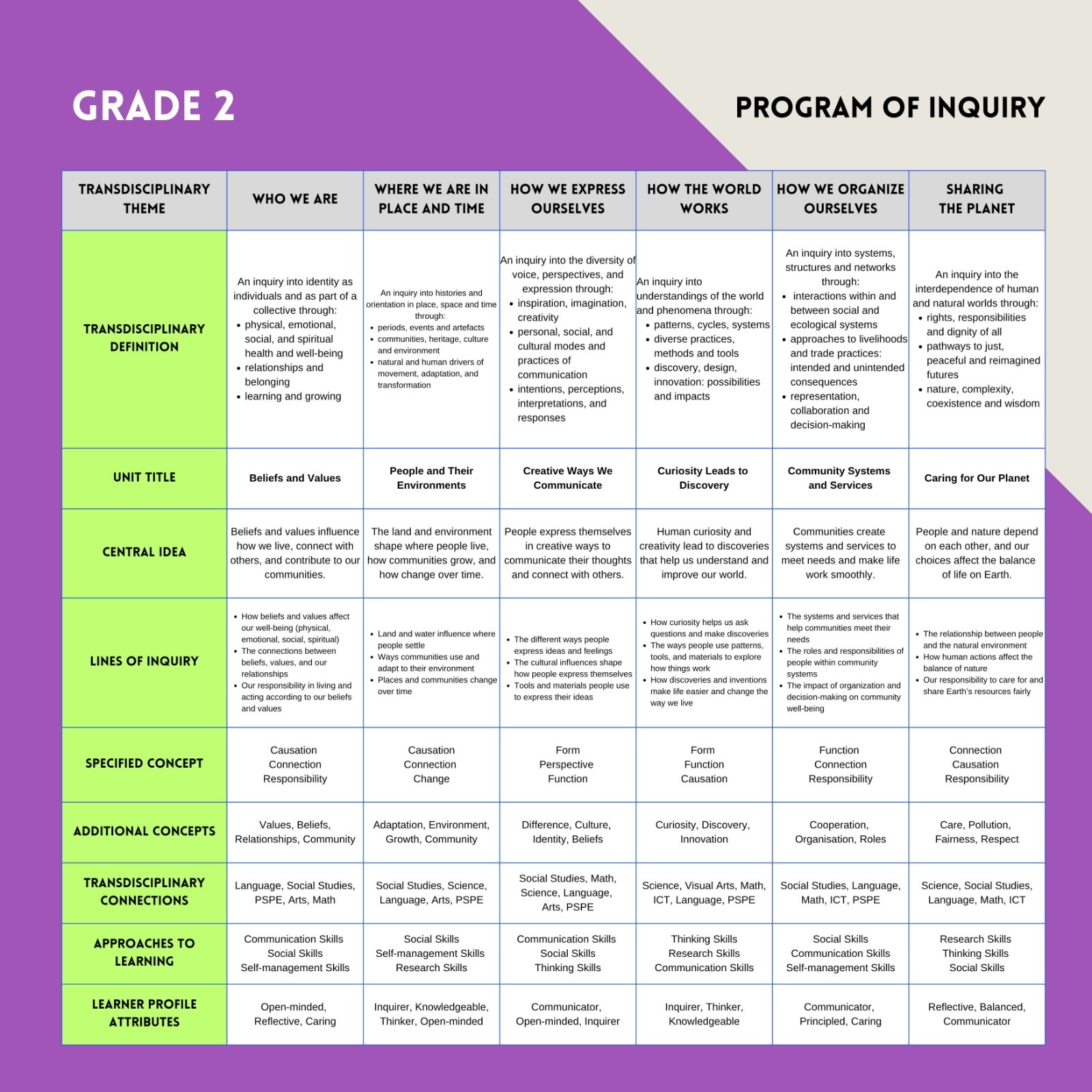
The IB PYP is organized around six transdisciplinary themes that guide learning across subject areas and provide meaningful global contexts:
1. Who We Are – An inquiry into the nature of the self, beliefs and values, relationships, and what it means to be human.
2. Where We Are in Place and Time – An inquiry into orientation in place and time, personal histories, and the interconnectedness of individuals and civilizations.
3. How We Express Ourselves – An inquiry into how we discover and express ideas, feelings, nature, culture, beliefs, and values through various forms of communication.
4. How the World Works – An investigation into the natural world, its laws, and the impact of human actions on it, exploring scientific principles and cause-and-effect.
5. How We Organize Ourselves – An inquiry into human-made systems and communities, the structure and function of organizations, and decision-making.
6. Sharing the Planet – An inquiry into rights and responsibilities, access to resources, and peace and conflict resolution.
These themes provide a coherent structure across subject areas and encourage students to explore learning in a meaningful, connected way.
• Language
• Mathematics
• Science
• Social studies
• Arts
• Personal, Social and Physical Education (PSPE)
Subjects are not taught in isolation but are integrated through Units of Inquiry based on the transdisciplinary themes.
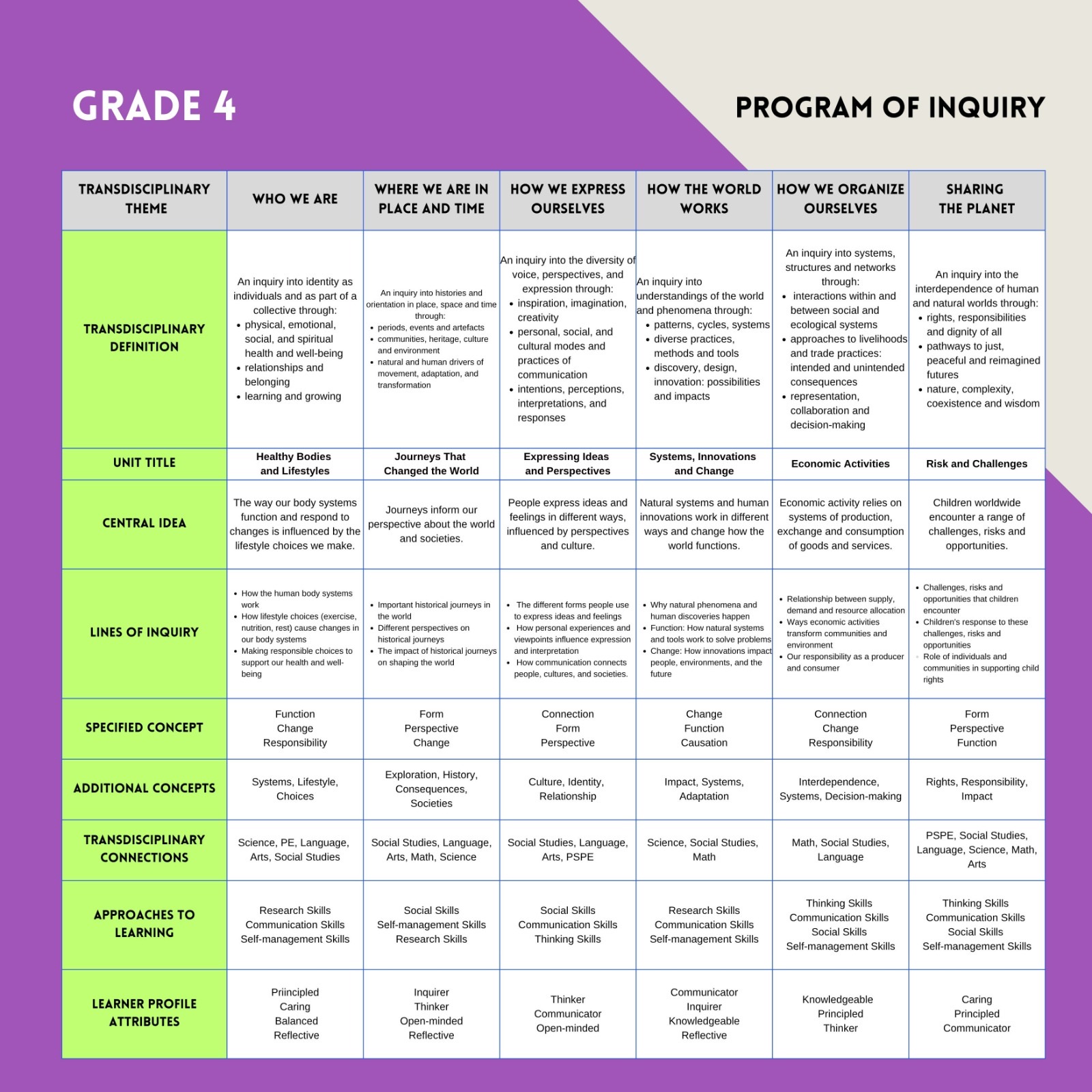
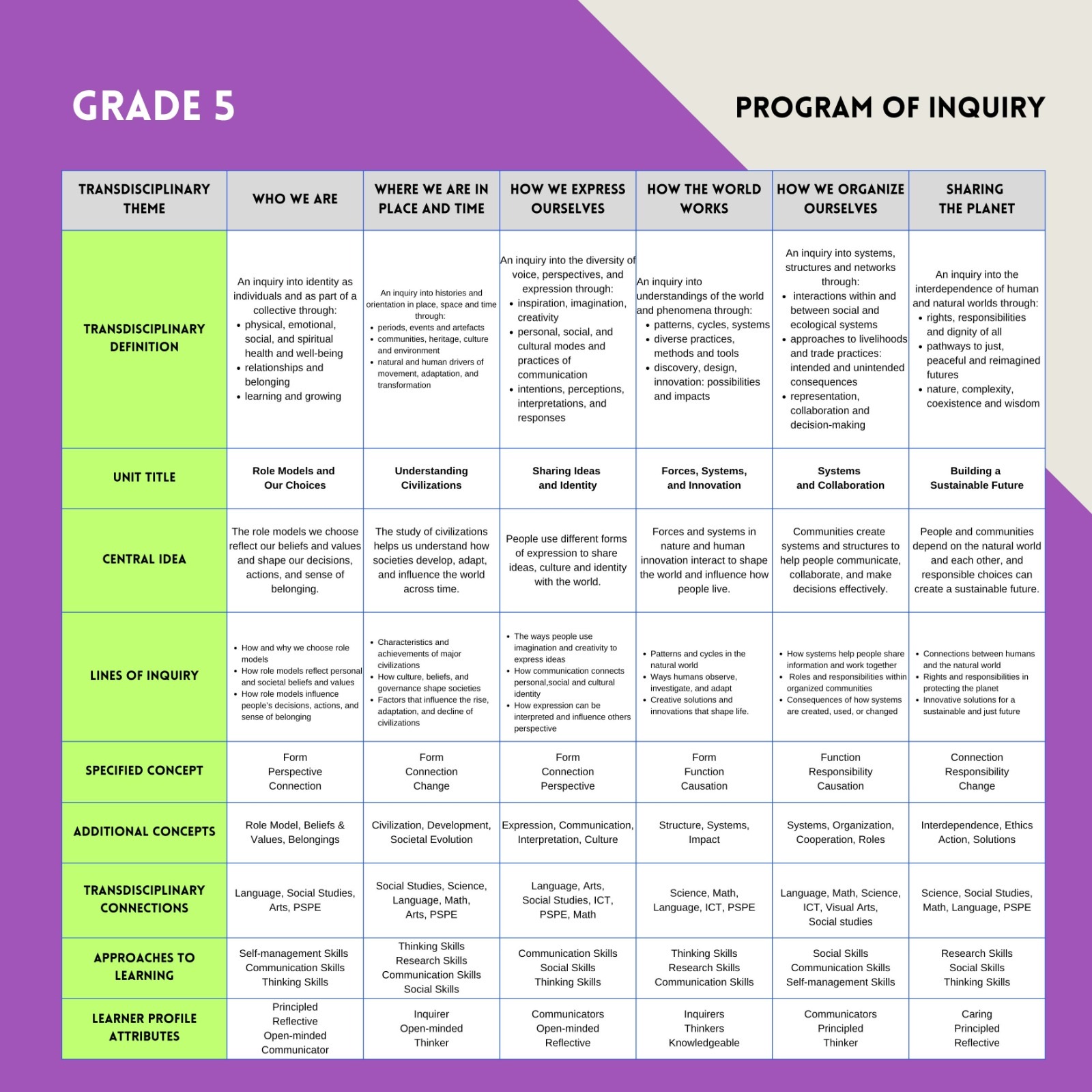
Programme of Inquiry (POI)
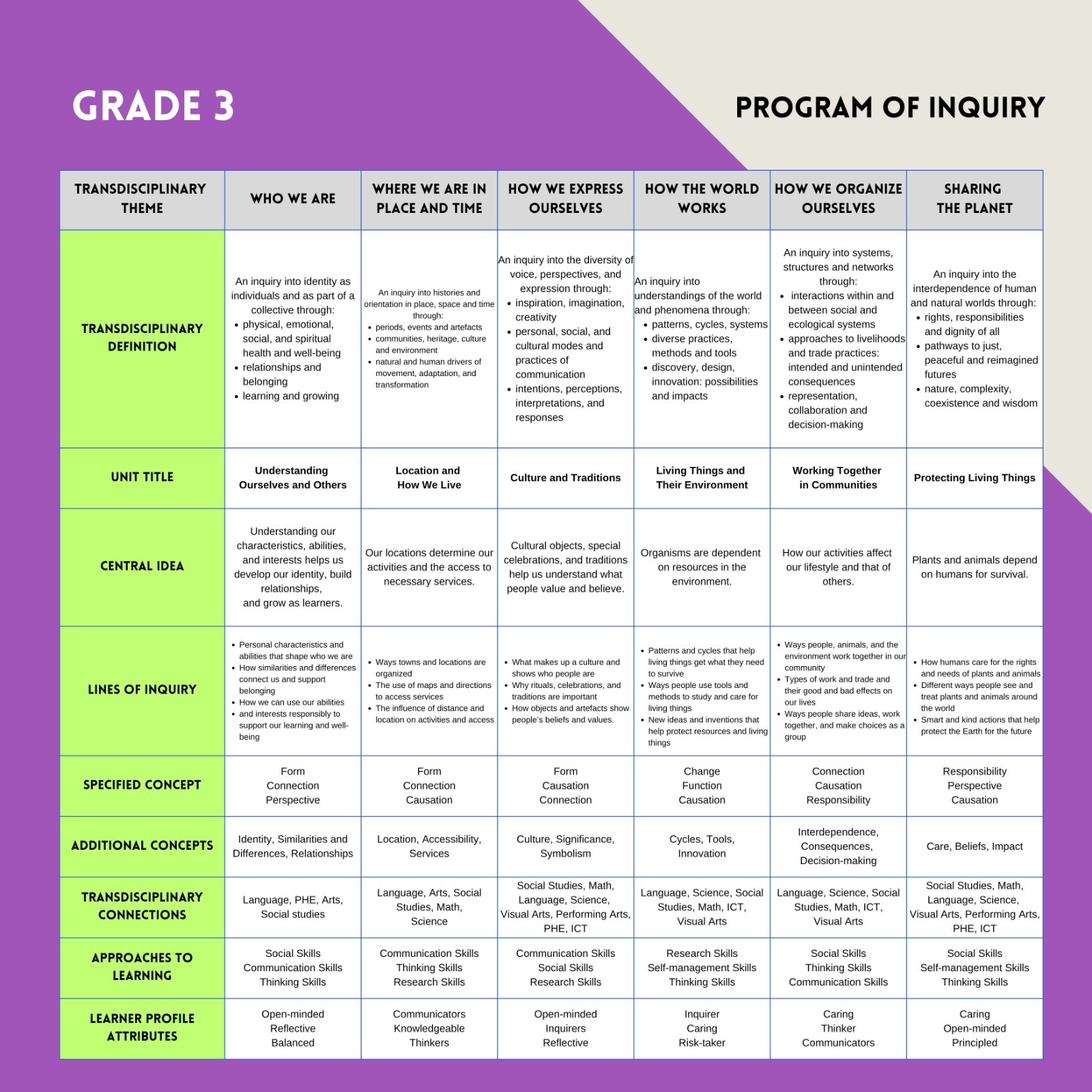
- Six Transdisciplinary Themes, such as "Who We Are" and "How the World Works"
- Key Subject Areas: Language, Mathematics, Unit of Inquiry, Arts, and Physical Education
- Approaches to Learning (ATL): Thinking, Communication, Self-Management, Research, and Social Skills
- Learner Profile Attributes: Inquirers, Thinkers, Communicators, Risk-takers, and more
Middle Years Programme
As a candidate school for the International Baccalaureate (IB) Middle Years Programme (MYP), Casa D’éducation offers the programme for students in Grades 6–8.
The MYP provides a concept-driven approach to learning that encourages students to look beyond facts and develop a deeper understanding of significant ideas. Students inquire into issues of personal, local, and global significance, make meaningful connections between their learning and the world around them, and explore different perspectives.
Through this approach, the MYP aims to develop active, internationally minded learners who are creative, critical, and reflective thinkers. Students are encouraged to take increasing responsibility for their learning, develop empathy for others, and understand how their choices and actions can contribute meaningfully to their communities and the wider world.
The MYP provides students with a broad and balanced education across eight subject groups. Each develops disciplinary knowledge and skills while encouraging students to explore concepts, make connections, and apply their learning in meaningful contexts.
The eight MYP subject groups are:
• Language and Literature
• Language Acquisition
• Individuals and Societies
• Sciences
• Mathematics
• Arts
• Physical and Health Education
• Design
Conceptual Understanding: Concepts are powerful ideas that help students move beyond simply learning facts to understanding the significance and connections behind what they learn. In the MYP, students explore concepts within individual subjects and across disciplines, using them to investigate issues and ideas of personal, local, and global significance.
This concept-driven approach encourages students to transfer their understanding to new situations, make connections across their learning, and develop a more holistic understanding of the world.
Learning in Global Contexts: Learning becomes more meaningful when students can connect it to their own lives and the world around them. The MYP uses six global contexts to help students explore significant ideas and understand their shared responsibility within an interconnected world:
• Identities and Relationships
• Orientation in Space and Time
• Personal and Cultural Expression
• Scientific and Technical Innovation
• Globalization and Sustainability
• Fairness and Development
Through these contexts, students examine ideas and issues from different perspectives and understand how their learning relates to real-world experiences and challenges.
Assessment in the MYP
Assessment in the Middle Years Programme (MYP) goes beyond measuring what students know. It focuses on how effectively they understand, apply, analyze, and communicate their learning, encouraging critical thinking, reflection, and continuous growth.
The MYP uses a criterion-related assessment approach, where students are assessed against clearly defined criteria specific to each subject group. Each subject group has four assessment criteria (A–D), with each criterion evaluating different aspects of students' knowledge, understanding, and skills.
Through a variety of assessment tasks, students are given opportunities to demonstrate their understanding, receive constructive feedback, recognize their strengths, and identify areas for improvement. This approach promotes transparency, encourages students to take ownership of their progress, and supports their development as independent, reflective learners.